
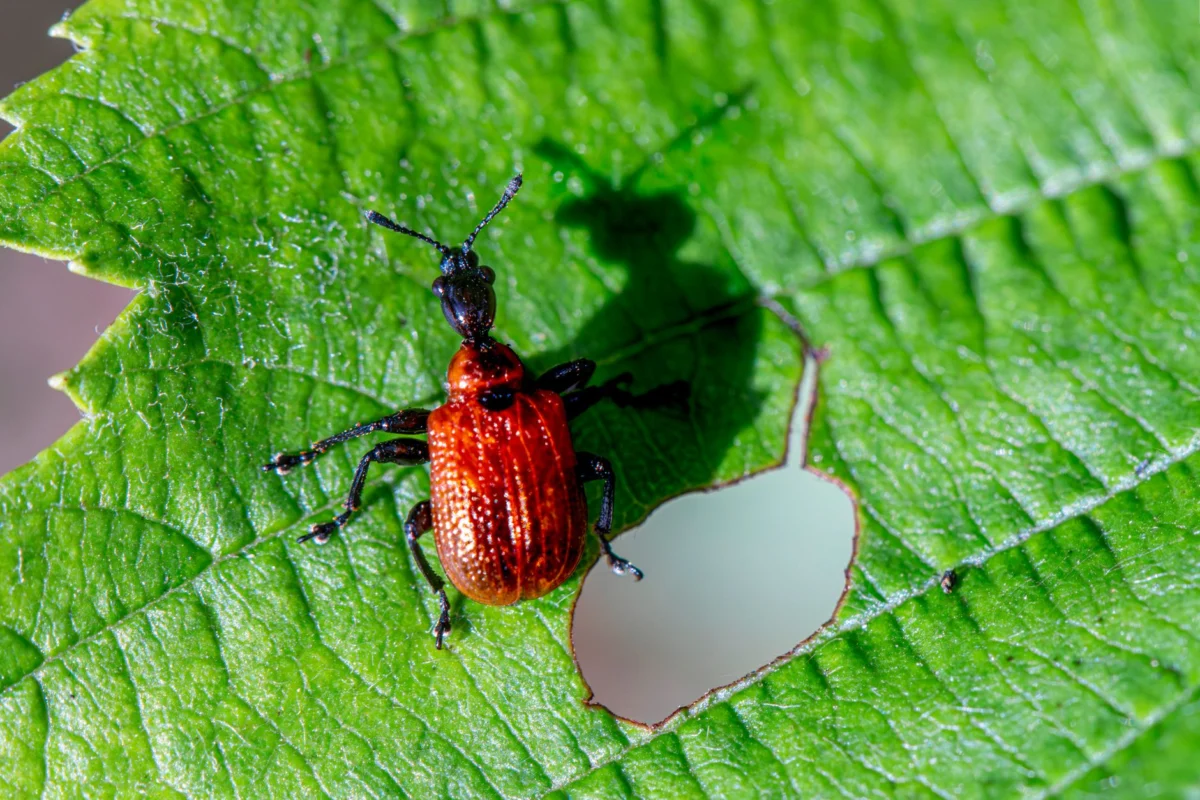
Swarm or Hive Assessment
The technician watches the entry, listens to the wall and checks for honey stains to find where the comb sits.
Every visit starts by figuring out what you have: a passing swarm, a hive with comb behind it, or a wasp nest. The plan is built around that answer.
The technician watches the entry, listens to the wall and checks for honey stains to find where the comb sits.
A suited technician treats the hive, then opens the wall or box and pulls out all comb and honey.
The opening is sealed and the scent masked, then a follow-up check looks for returning bees.
Paper wasp nests under eaves and yellowjacket nests in the ground or block walls are treated and removed.
A swarm is a ball of bees hanging on a branch, a block wall or a patio beam. It is a colony on the move and may leave in a day or two, or it may move into the nearest wall. A hive is bees flying in and out of one spot, like a weep hole, a chimney or an irrigation box, and it has comb behind it. Wasp calls are mostly paper wasps under eaves and yellowjackets in ground holes.
Africanized honey bees live across Arizona below about 5,000 feet. They look just like regular honey bees, but they defend a hive in much larger numbers and chase much farther. That is why every swarm and hive here should be treated as Africanized and handled by a pro in protective gear.
Four steps, from your call to a sealed and checked entry.
Call and Clear the Area
Call (888) 752-0103. Keep people and pets inside and do not spray the bees.
Assess
The technician confirms swarm or hive, finds the entry and comb, and explains the plan and price.
Remove
In a bee suit, the tech treats the entry and void, then removes all comb and honey.
Seal and Check
The opening is sealed and the scent masked. A follow-up checks for returning bees.
Bee Suit and Veil
Full protective gear so the technician can work close to an active hive safely.
Dusters and Hand Sprayers
Used to place product right at the entry and into the wall void where the colony lives.
Sealant and Patch Materials
Used to close the opening after comb removal so bees cannot get back in.
Full Comb Removal
Comb left behind melts, drips honey and draws the next swarm, so it all comes out.
Timing Wasp Work for Dusk
Wasps are on the nest at dusk, so that is when nests are treated for the best result.
01
What we do: We check where the swarm is and who is nearby, then treat it or advise waiting if it is in a safe spot.
→ The swarm does not get the chance to move into your wall.
02
What we do: We treat the hive, open the wall or box, remove all comb and honey, and seal the entry.
→ No melting comb, no honey stains and no scent to draw a new swarm.
03
What we do: We treat paper wasp and yellowjacket nests at dusk and remove them.
→ Your patio, pool area and yard are usable again.
Arizona has 2 swarm seasons, spring and fall, and they bring the most bee calls. In summer heat, bees hunt for water at pool edges, drip emitters and AC condensate lines, and they often build hives in shaded spots near that water. At higher elevations, Africanized bees drop off and late summer calls shift to yellowjackets and paper wasps.
Irrigation and Water Meter Boxes
Shaded, near water and rarely opened, these boxes often hide a hive for months.
Stucco and Block Walls
Weep holes and wall cavities give bees a protected void to build comb inside.
Eaves and Patio Covers
Paper wasps build their open, umbrella-shaped nests in these shaded spots.
Spring and fall swarm seasons
Colonies split and send out swarms that look for a new home, often in a wall.
Summer heat above 100 degrees
Comb left in a wall softens and leaks honey, and bees crowd around any water source.
These are the problems we see most often with bees and wasps around Arizona homes.
Problem
The colony can pour out and chase people, kids and pets nearby.
Our Fix
We clear the area, suit up and treat the entry and void the right way, then remove the comb.
Problem
Trapped bees can chew through drywall and come out inside the house.
Our Fix
We treat first, remove the comb, and only then seal the opening.
Problem
Weeks later the ceiling stains, ants arrive and a new swarm moves in.
Our Fix
We open the wall or box and remove all comb and honey before sealing up.
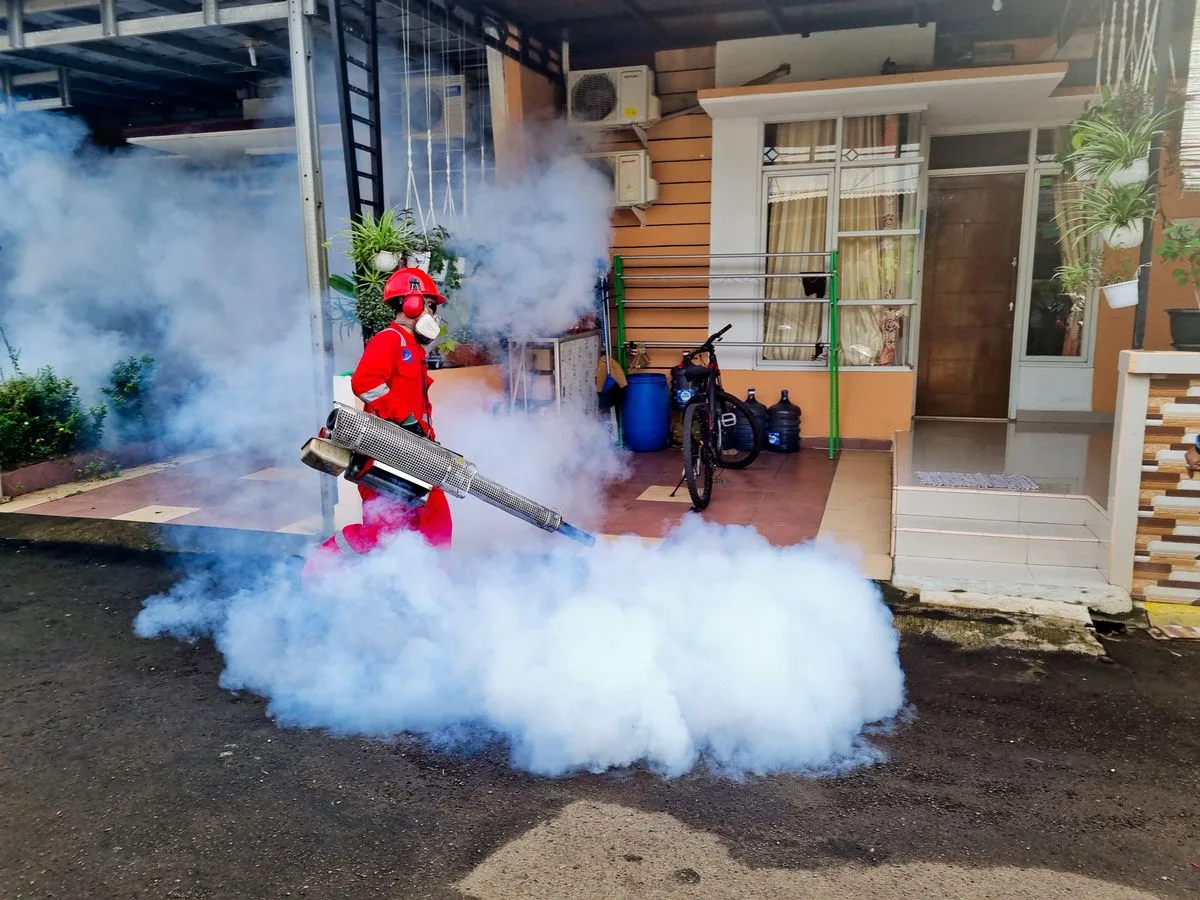
Getting the job done right protects your family and your house.
A Safer Yard
Removing the hive or nest lets your family, guests and pets use the yard and pool without worry.
No Honey Damage
Taking out all the comb prevents melting honey, stained drywall and pests drawn to the sweet smell.
Fewer Repeat Swarms
Sealing and scent masking make the old spot far less attractive to the next swarm.
Open 24 Hours
We answer the phone 24/7, so you can report bees near a door or walkway at any hour.
The price depends on what we find. A swarm on a low branch is a small job. A hive that has been inside a second story stucco wall for a long time, with a lot of comb to remove, is a big one. Height, access and whether the wall has to be opened and patched all play a part.
How We Price It
Quoted after an on-site inspection
You get the number on site, before any work begins.
What changes the price
Swarm or Hive
A hanging swarm with no comb takes less work than an established hive.
Amount of Comb
More comb inside a wall or box means more time to remove it and clean up.
Height and Access
Second story walls, chimneys and tight spots need ladders and more time to open and close.
We treat every bee call in Arizona as if the colony is Africanized. That means protective gear, a cleared area and a plan that finishes the job, not just a quick spray. The goal is to remove the colony and the comb, and leave nothing that draws bees back.

We handle bee and wasp calls across our Arizona service area. Here are a few places where the local conditions shape the work.
Phoenix sits well below 5,000 feet, so Africanized bees are common, and summer heat sends them to pools and drip lines for water.
In Tucson, bees often build hives in saguaro cavities and old adobe walls, along with the usual block walls and meter boxes.
Flagstaff is high enough that Africanized bees are much less of a concern, and late summer calls turn to yellowjackets and paper wasps.
Straight answers to the bee and wasp questions Arizona homeowners ask most.
Regular home service helps spot new bee activity near walls, eaves and irrigation boxes before a hive grows.
View Residential Pest ControlWe handle bee and wasp calls at businesses, schools, HOA common areas and apartment complexes with foot traffic.
View Commercial Pest ControlScorpions hide in the same block walls, weep holes and yard debris where bees and wasps often build.
View Scorpion ControlBee and wasp removal sometimes means opening walls, and that is a good time to check for termite activity too.
View Termite TreatmentA termite inspection looks at the same walls and voids where bee comb and honey can cause hidden damage.
View Termite InspectionRodents and bees both use wall voids and gaps, so sealing entry points helps keep both out.
View Rodent ControlReach out to us for pest control solutions tailored to your needs. We answer the phone 24 hours a day, 7 days a week.
Phone
(888) 752-0103Address
2652 E Hopi Ave, Mesa, AZ 85204
Hours
Open 24 Hours, 7 Days a Week
contact@greenninjapestcontrol.com